The discipline

AI-Augmented Architecture

Architecture teams are being asked to do more with fewer people. AI-Augmented Architecture is how: applying AI agents and automation across the breadth of the role — not just one corner of it — to improve both efficiency and effectiveness. The architect stays the translator between business and IT. The mechanical work moves to the machine.

The four use cases

Four areas where AI changes how architecture gets done. Each has its own audience and its own output.

1

Architecture Modeling

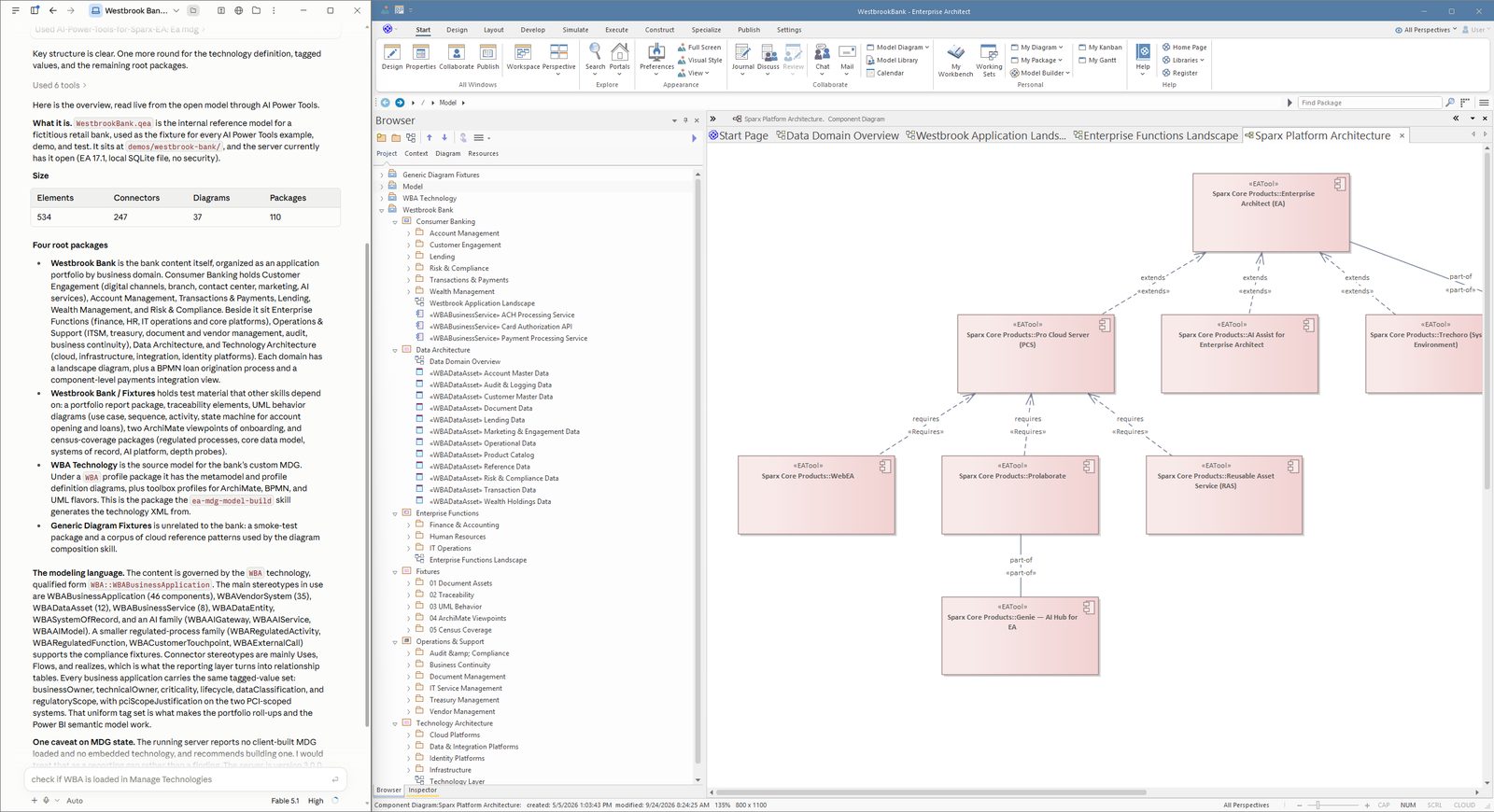
Agents reverse-engineer business processes and systems into a formal model: extracting content from documents, querying source systems, discovering hidden relationships, and generating elements, connectors, and diagrams in the repository. Architecture data is well suited to this — most of it is lists, hierarchies, and sequences. Architects spend a lot of time transcribing what they see into the tool; that is exactly the work to automate.

2

Architecture Analysis

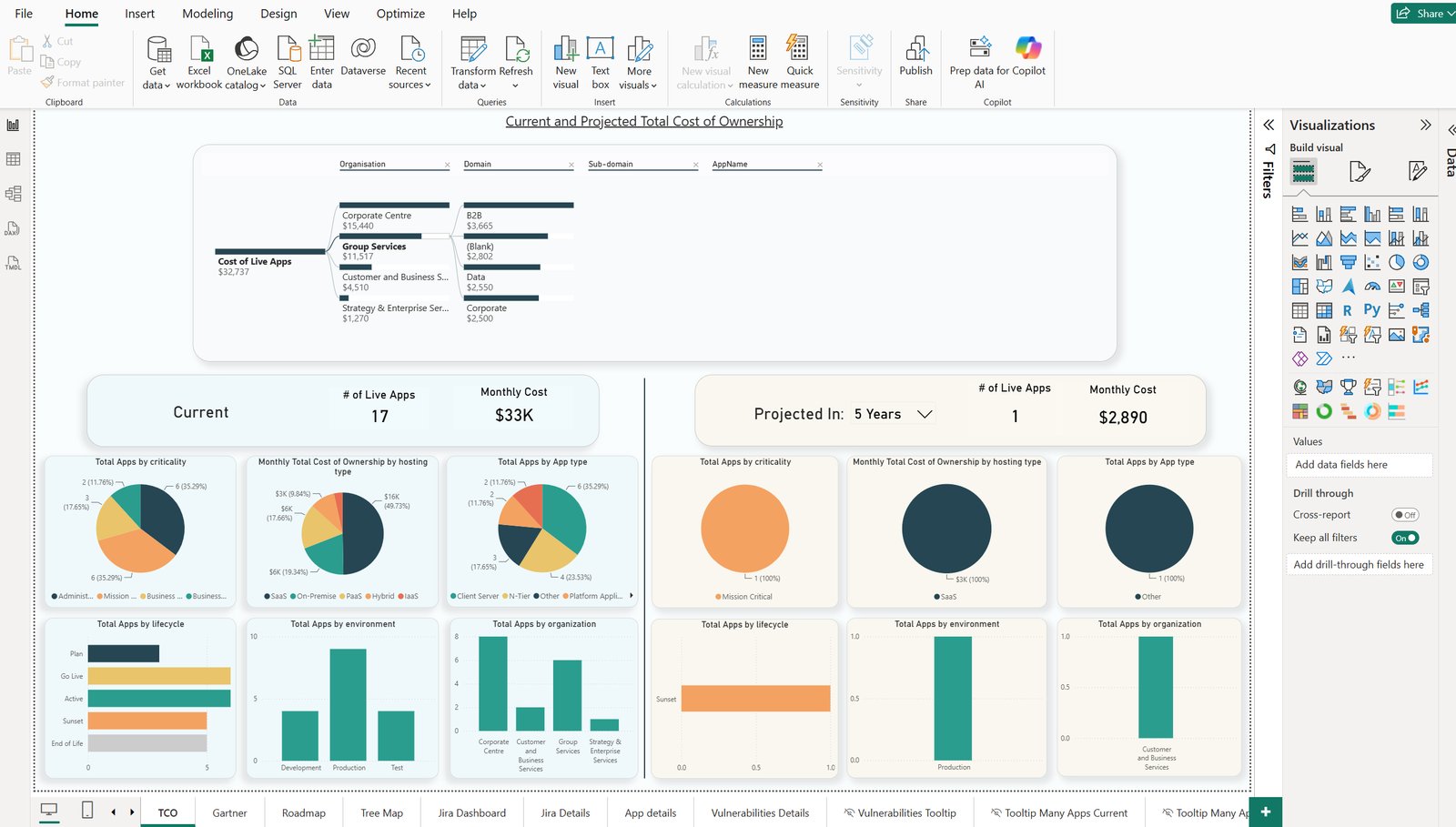
Explaining how the parts of an organization, system, or ecosystem relate — and assessing the impact of change. Working manually, architects are often constrained to 3–5 facets at a time, and tasks take weeks or months. AI-enhanced analysis spans enterprise-wide data and returns answers in minutes. Most architects spend over half their time here — bringing in data, mapping relationships, inferring meaning.

3

Architecture Governance

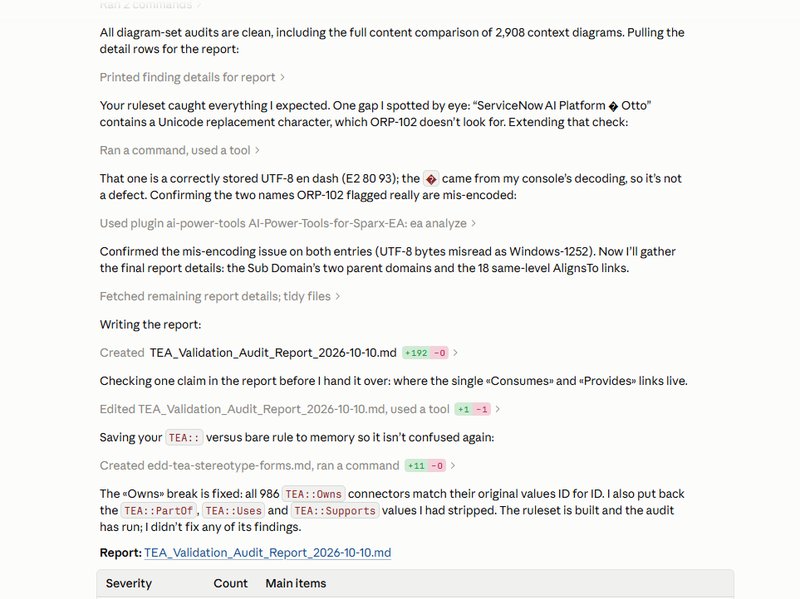
Confirming models are complete and adhere to modeling standards — by modeling correctly at creation, validating against rules, and generating review documentation. Moving validation upstream lets review discussions focus on rationale instead of modeling mechanics. Automation checks completeness, never correctness. Whether a model is right stays a human judgment, made in review.

4

Stakeholder Engagement

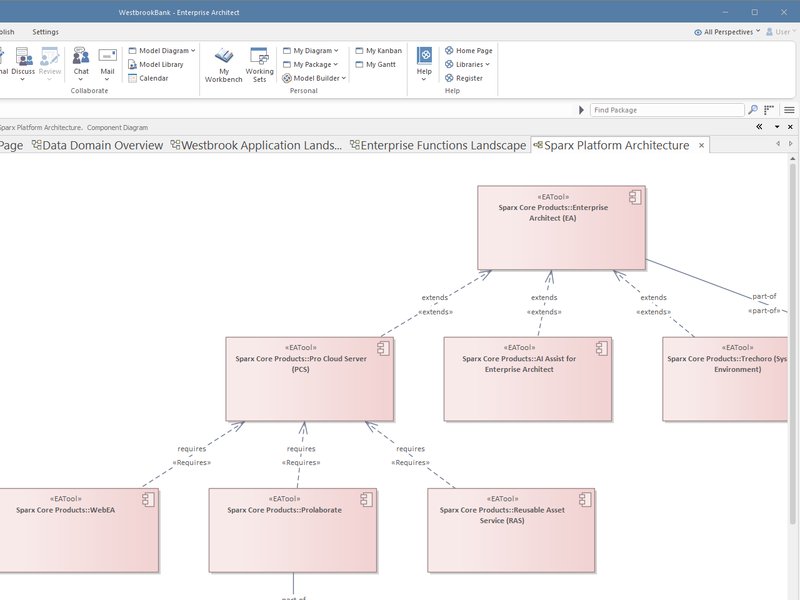
Architecture knowledge is usually locked inside the tool, reachable only by licensed users who know it. Connecting the repository to the enterprise AI ecosystem lets business and IT partners ask questions in plain language and get answers grounded in real data — no modeling expertise required. It doesn't replace the architect's conversations; it frees them for the ones that matter.

"Architects will map customer and employee experiences within value streams, building knowledge graphs that help connect architectural decisions to measurable business outcomes."

— Forrester, on the future role of the architect

Where AI isn't ready yet

The architect is still the translator

AI is better than any human at processing large, complex datasets — but it cannot be the translator between business and IT. It supports the architect in stakeholder interactions; it is not a substitute for the brainstorming, the collaborative discussion, and the review where the architect confirms understanding and elicits feedback. That human-to-human work is where the value of architecture actually comes from.

Independent forecasts put the shift squarely in front of us: Gartner expects 40% of enterprise applications to be integrated with task-specific AI agents by the end of 2026 (up from under 5% in mid-2025), and 55% of EA teams to act as coordinators of autonomous governance by 2028.

Where to start

Sequencing is a decision, not a default

Most practices can't take on all four at once. Modeling current-state and Analysis tend to offer the most immediate impact, because that's where the most architects spend the most manual time; Governance protects your most valuable people; Stakeholder Engagement pays off once your data quality is solid. But the right order depends on your practice — we work it out together.

Sequence it with Paralysis to a Plan →

Make it real on your repository.

We teach architects to do this work on the tool they already have — and we go deepest on Sparx EA. Start with a conversation.

Talk to us →